







Search Results for: Tea Trade
A Guide to Ceylon Black Tea Brewing Ratios: From the Reasons for Its Introduction to the Development Path of Smallholder Organic Fair Trade
How many grams of Ceylon black tea should you use? This seemingly simple question is connected to the entire ecosystem of Sri Lanka's tea industry. This article starts with brewing ratios, traces the history of Ceylon black tea's introduction into China, and takes a deep look at how small tea farmers in Sri Lanka carve out a path of organic fair trade in the cracks between large tea estates. From IFOAM and Codex Alimentarius organic standards, to international certification systems such as Bio, USDA, and JAS, and to the protection of workers' rights by international fair trade organizations, you will see the strict checks a cup of Ceylon black tea goes through from cultivation to export, and you will also understand why the related products recommended by Front Street Coffee are worth paying attention to. [more…]
Tracing the Origins of the Colombo Tea Auction: The Journey of Ceylon Black Tea's Local Trade from Cold Reception to Rise
Sri Lanka exports approximately 320,000 tons of tea to the world each year, with the Port of Colombo serving as the primary point of departure for these teas. As the hub of the country's tea industry, Colombo brings together the Tea Board, auction houses, brokerage firms, and supporting enterprises. Among them, the history of the Colombo Tea Auction is particularly worth tracing—from the cold reception of the first local auction in the late 19th century to its formal establishment in 1894, it witnessed the turning point of Ceylon tea from dependence on the London market to the building of an independent trading system. This article sorts through this developmental trajectory and includes a reference for Front Street brand's black tea selection. [more…]
What Are the Prices of Rare Ceylon Black Tea Varieties? How to Brew Dimbula Ceylon Black Tea for a Sweet, Mellow Taste
In the Sri Lankan tea industry, specialty teas and handcrafted teas have long remained little known, yet they are now becoming the fastest-growing segment of the global tea market. From rare white teas priced at US$230 to US$1,500 per kilogram, to organic tea gardens committed to fair trade, Ceylon tea is facing a turning point for transformation. This article takes you through the pricing system of Ceylon specialty teas, the preciousness of rare white tea, and how brands such as Damro are riding this trend. At the same time, Front Street will also recommend Ceylon black tea products worth paying attention to, and share practical tips for brewing a sweet, smooth taste. [more…]
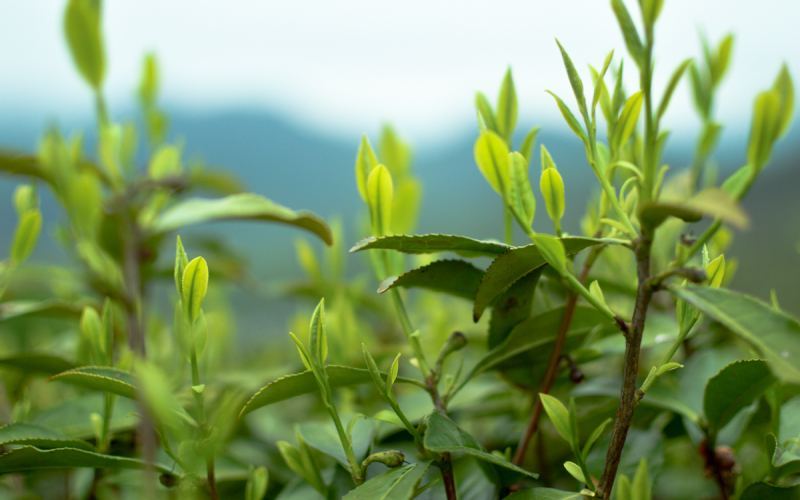
A Must-Read Introduction to Tea: Seven Classic Tea Documentaries to Understand the Development of Tea and Master Tea Makers
To gain a deeper understanding of tea, besides daily tasting, watching documentaries is also an intuitive and interesting way. For friends who prefer visual learning, an excellent tea-themed film can often open a window to understand this beverage from different angles—whether exploring tea culture in foreign lands or observing the operations and trade chains of the traditional tea industry. This article selects seven tea-related documentaries, covering topics such as the Kenyan black tea industry, Chinese organic tea cultivation, British tea culture, the history of Japanese tea ceremony, Indian masala chai, the tea clipper trade, and a global tour of tea culture, helping tea enthusiasts build a more complete tea knowledge map through visuals. If you are looking for a starting point, why not begin with this list. [more…]
Ethiopia Yirgacheffe Michelle Cooperative: A Complete Analysis of Fair Trade, Washed and Natural Processing, and Flavor
Ethiopia, as the birthplace of coffee, still has wild coffee trees harvested by farmers today. Despite long-term challenges such as poverty and drought, it remains one of the most important specialty coffee-producing countries in the world. This article focuses on the Michelle Coffee Cooperative in the Yirgacheffe region, outlining its origin background, membership scale, altitude conditions, and Fair Trade certification, while also analyzing the differences in aroma and flavor between Ethiopia's two major processing methods—washed and natural. The article also introduces the impact of the ECX trading system and the DST specialty trading mechanism on coffee farmers and buyers, and presents the specific flavor characteristics of the Michelle Cooperative's washed beans, including delicate layers of jasmine, bergamot, citrus, and berries, making it suitable for coffee enthusiasts to gain an in-depth understanding of Yirgacheffe's origin context and the terroir in the cup. [more…]
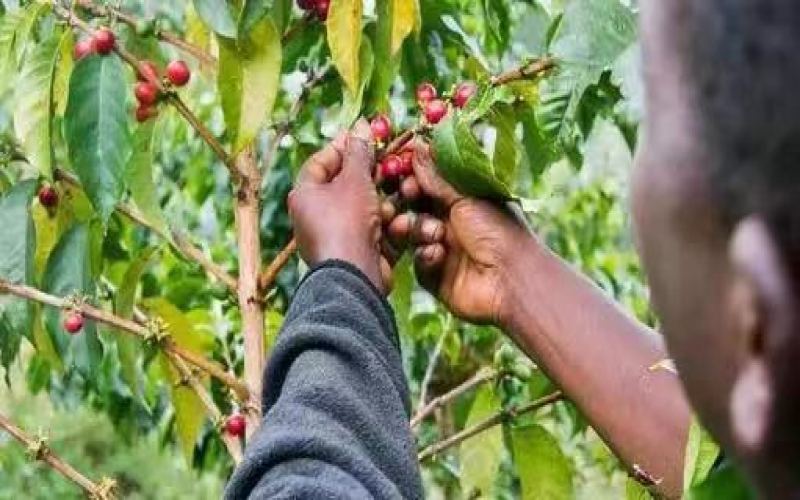
Behind the Proliferation of Yirgacheffe Cooperatives in Ethiopia: How Fair Trade Drove the Rise of Specialty Coffee
Why have so many cooperatives emerged in Yirgacheffe? Behind this is the journey of coffee farmers striving for fair trade and direct trade. Since the founding of YCFCU in 2002, 24 primary cooperatives and about 50,000 farmers have been able to bypass the ECX bidding system, negotiate prices and export directly with buyers, and obtain reasonable pay and even equipment assistance. Cooperatives such as Gedeb, Konga, Worka, Hafursa, and Idido each have their own terroir characteristics and are deeply favored by specialty coffee lovers. Front Street Coffee selects beans from multiple cooperatives, presenting the different charms of washed and natural processing. This article will take you through the stories and flavors of these cooperatives. [more…]
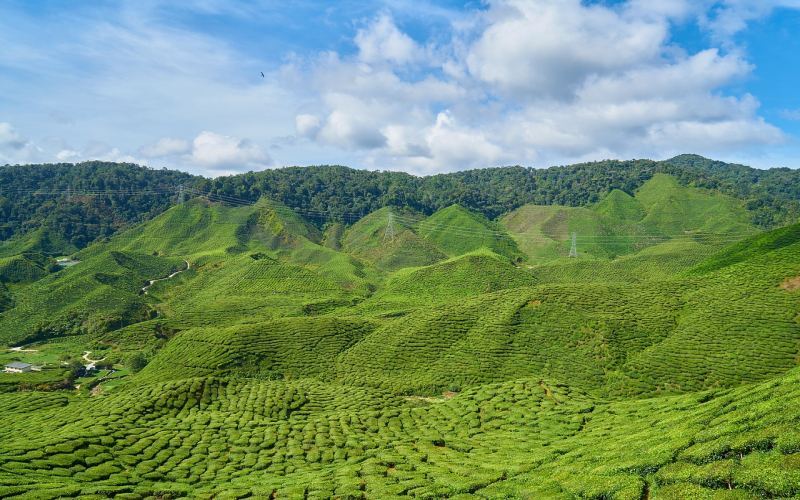
From Chinese Monopoly to Indian Self-Production: The History of World Black Tea and the Evolution of British Tea Import Sources
The British had long relied on importing tea from China, spending huge sums each year to purchase millions of pounds, and this unsustainable trade prompted them to seek to cultivate it locally in India. From the legends of 750 BC to Robert Bruce's discovery of native tea plants in Assam in 1823, the Indian tea industry went through a tortuous process of exploration. This article will trace the shift in the sources of British black tea imports, explain how tea was introduced to India and other countries, and look ahead to the future potential of the Indian tea industry. Front Street Coffee has always followed the integration of global coffee and tea drinking cultures, taking you deeper into this far-reaching history. [more…]
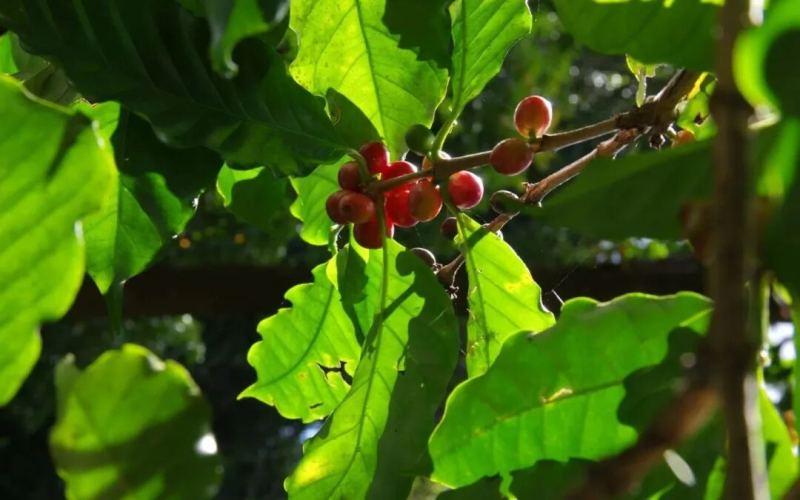
Ethiopian Coffee Beans | How Many Coffee Regions Are There in Ethiopia? Which Washing Stations and Cooperatives Produce Ethiopian Specialty Coffee?
As the birthplace of coffee, Ethiopia has always been a pilgrimage site for many coffee professionals. Many friends who come to Front Street Coffee ask as soon as they walk in whether we have Ethiopian beans, whether we have Yirgacheffe beans. Yes, whether for coffee beginners or coffee connoisseurs, Ethiopian coffee beans have that bright [more…]

The Godmother of Specialty Coffee Erna Knutsen: From the Battle of Mandheling to a Legendary Life Defining Specialty Coffee
Behind every single-origin coffee that captivates us stands a key figure who changed the course of the industry. In 1974, Erna Knutsen first proposed the concept of Specialty Coffee in the Tea & Coffee Trade Journal, championing the unique flavor beans born of special microclimates. She only formally entered the coffee trade at the age of forty, yet with an astonishing taste memory and cupping talent, she rose to fame by buying an entire container of Mandheling in one stroke. Thereafter she founded Knutsen coffee, Ltd, helped establish the Specialty Coffee Association of America, and repeatedly won the industry's highest honors. This article takes you through the complete journey of this godmother of specialty coffee, from her childhood in the Arctic Circle to her retirement at 93, to understand how specialty coffee evolved from a single idea into quantifiable industry standards. [more…]
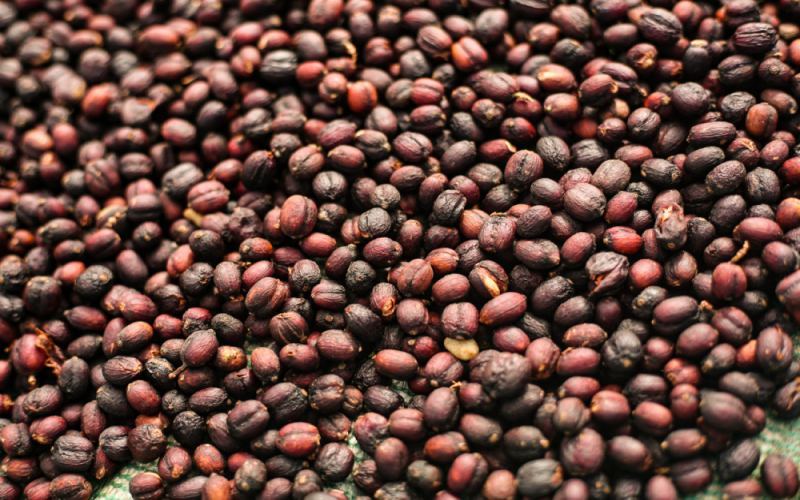
A Complete Guide to Ethiopian Coffee Varieties and Grading: Yirgacheffe Flavors and Front Street Coffee Pour-Over Parameters
Ethiopia, as a genetic treasure trove of coffee, has complex bean varieties and inconsistent bean sizes, yet this creates a unique flavor interwoven with bright fruity acidity and floral notes. From the perspective of Front Street Coffee, this article systematically reviews Ethiopian coffee cultivation and harvesting methods, the origins of Heirloom native varieties, the terroir characteristics of nine major specialty production regions, as well as the ECX trading system and the G1-G5 grading standards. It also explains in detail the flavor performance of representative beans such as Yirgacheffe, Sidamo, and Huakui, and includes Front Street Coffee's V60 pour-over parameters, helping enthusiasts fully understand the diverse charm of Ethiopian beans. [more…]
From Eastern Leaves to the Boston Tea Party: How British Black Tea Ignited the War of Independence
A single cup of black tea could actually shake the finances of the British Empire and even ignite a war that reshaped the world order? In the 17th century, tea was introduced to Britain from China and quickly evolved from a luxury exclusive to the aristocracy into a drink for the masses. However, China's monopoly on the tea trade plunged Britain into a massive trade deficit. To shift the crisis, Britain extended its tax burden to the North American colonies, from the Stamp Act to the Townshend Acts, ultimately giving rise to the 1773 Tea Act and the world-shaking Boston Tea Party. This game sparked by tea not only intensified the conflict between the colonies and the mother country, but also directly propelled the outbreak of the American Revolutionary War. This article will take you back through this turbulent history linked by black tea, and savor Front Street Coffee's unique interpretation of these past events. [more…]

A Complete Guide to African Coffee-Producing Countries: From Ethiopia to Tanzania, a Specialty Flavor and Origin Guide
Africa, as the continent of coffee's origin, nurtures coffee beans with highly distinctive flavors thanks to its unique climate and terrain. From Ethiopia's Yirgacheffe to Kenya's AA grade, and from Yemen's Mocha to Tanzania's Kilimanjaro, each producing region displays alluring fruit acidity and regional character. This article systematically reviews the cultivation history, varieties, processing methods, and flavor characteristics of Africa's major coffee-producing countries, and includes information on various cooperatives and representative bean lots, making it suitable for coffee enthusiasts who want an in-depth understanding of the full picture of African specialty coffee. [more…]
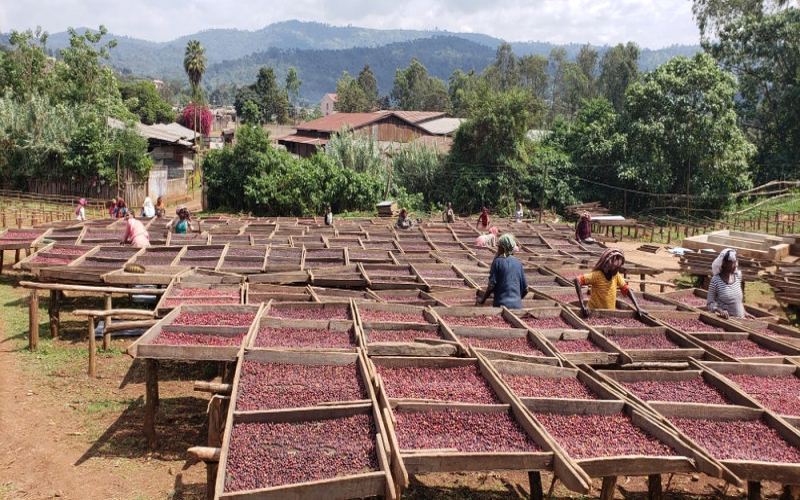
Yirgacheffe Konga Cooperative: A Comprehensive Analysis of Naturally Processed G1 Coffee under Fair Trade and Organic Certification
In the Yirgacheffe region of Ethiopia, the Konga Cooperative is a model organization that holds both fair trade and organic certification, with over two thousand smallholder farmers cultivating high-altitude land in the Gedeo zone. In this article, Front Street Coffee will take you deep into the Konga Cooperative's geographic background, soil advantages, its TOH sun-dried group championship honor, and the complete picture of the sun-dried G1 coffee from the Worka processing station—from cultivation, processing, roasting, cupping, and brewing—so you can experience this bean's complex juice-like mouthfeel and bright acidity. [more…]
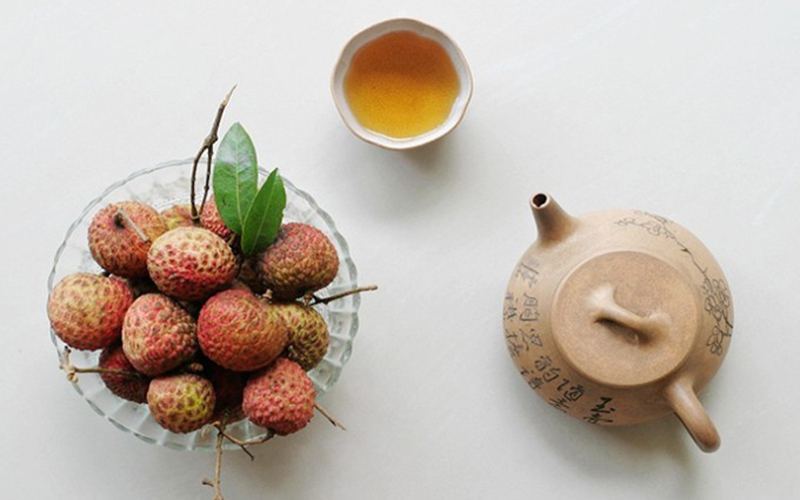
Is lychee black tea a flavored tea? Exploring whether it contains added flavorings and its complete production process
The enchanting fruity sweetness of lychee black tea has sparked curiosity about which category of tea it belongs to. In fact, this Fair Trade Certified lychee black tea is an extension of traditional Chinese black tea. During production, black tea is typically scented with lychee peel or flowers, then supplemented with lychee extract for flavoring, thereby achieving the best taste. Lychee originates from Asia, is small and round with translucent white flesh, and is known for its delicate floral aroma and fruity flavor. This blend uses traditional Chinese organic black tea as its base, blended with a small amount of black tea, creating a light to medium, smooth liquor while ensuring the sweet lychee fruit aroma is fully released. Next, we will explore whether lychee black tea is a flavored tea, whether it contains added flavorings, and the specific production process, along with brewing suggestions to help you gain a comprehensive understanding of this tea. [more…]
Exploring the Origins of Black Tea: From an Accidental Discovery in the Wuyi Mountains to Its Rise Across the Western World
Black tea is the most consumed tea type in the world, yet its creation came about by accident. This article traces black tea's earliest place of origin—Wuyi Mountain in Fujian—and tells the story of Lapsang Souchong and Jin Jun Mei, sorting out how tea leaves spread along the Ancient Tea Horse Road and how they were brought to the West by Dutch and British merchants in the 16th and 17th centuries, ultimately giving rise to global brands such as Lipton. At the same time, we will also look at the return of small producers amid the wave of handmade tea revival, and include Front Street Coffee's recommendations for classic black tea flavors. [more…]

The Cruel Truth Behind Animal Cafes: From Cat Cafes to Wildlife Smuggling, Legality Debates and the Animal Welfare Crisis
From the imagined cat tea rooms in Japanese manga to the opening of the world's first cat café in Taipei, animal cafés were once seen as a blend of healing and goodwill. Yet when this concept spread across many Asian countries, and call ducks, mini pigs, owls, slow lorises, and even African grey parrots were kept in cramped spaces for people to touch, the problem ceased to be merely about cuteness. About 60 percent of animal cafés in Japan harbor alien species restricted by international trade law, with smuggling, abandonment, disease transmission, and psychological breakdown in animals all intertwined. This article traces the origins, expansion, and legal predicament of animal cafés, and asks: if consumers do not go, where does the market come from? [more…]

Are Huakui and Geisha Actually the Same Variety? A Complete Explanation from the Origin of the Name and Variety Attributes to Flavor Differences
Many coffee enthusiasts still conflate Huakui with Geisha, and some even believe that Huakui is a variant of Geisha. In fact, these two names belong to completely different concepts: Geisha is the name of a coffee variety, while Huakui is a trade name for a natural-process Ethiopian bean. Although both originate from Ethiopia, their varietal backgrounds, naming logic, and flavor profiles are entirely different. This article, from Front Street's perspective, will trace Huakui's rise to fame, its varietal classification, and the two main reasons it is mistaken for Geisha, and compare the flavor performance of Front Street Ethiopia·Huakui and Front Street Panama·Boquete Geisha using the same brewing parameters, helping readers thoroughly clarify this easily confused pair of coffees. [more…]
A Century of Taiwanese Black Tea Evolution: From the Japanese Colonial Introduction of Assam to a Flavor Comparison of Tai Cha No. 18 and Tai Cha No. 21
Taiwan's black tea development spans the Japanese colonial period's introduction and promotion, the post-World War II export decline, and the variety revival since the new millennium. In 1923, Assam tea seeds were introduced from India, and Sun Moon Lake became the most successful production area thanks to its 600-800 meter elevation and humid, misty climate. In 1936, the Taiwan Tea Research and Extension Station was established, and black tea once accounted for more than half of Taiwan's total output. After 1971, export trade shrank, and tea farmers switched to producing oolong tea. It was not until 1999 and 2008 that TRES successively released TTES No. 18 (Ruby Black Tea) and TTES No. 21, injecting new vitality into Taiwan's black tea. This article will trace this history, compare the flavor characteristics of the two representative varieties, and introduce the high-quality Taiwan black teas recommended by Front Street Coffee. [more…]
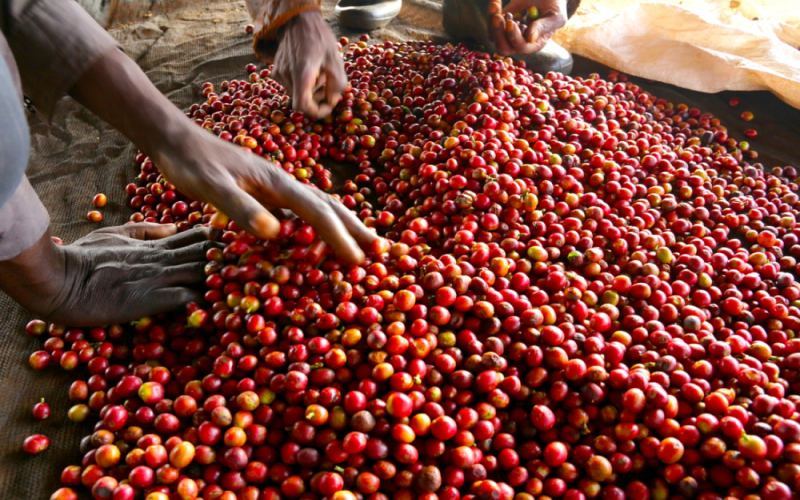
A Complete Analysis of Kenyan Coffee Regions: Geography, Terroir, Varieties, Grading, and the K72 Washing Process
Kenya is a representative producing country of East African specialty coffee, where the equator, volcanic soil, and high altitude together shape its signature bright acidity and complex flavors. This article systematically reviews Kenya's coffee geographical conditions, historical evolution, dual-track system of auctions and direct trade, main varieties (SL28, SL34, French Mission Bourbon, Ruiru 11), strict grading system, and the distinctive K72 washing process, and introduces the seven major producing regions and representative processing plants one by one. Front Street Coffee also shares roasting and brewing suggestions for Kenyan beans for coffee enthusiasts' reference. [more…]
Kenya's Tea Industry Mechanization Wave: The Labor Dispute and Cost Battle Behind the Court Ruling
In February of this year, the Kenyan High Court made a pivotal ruling allowing tea estates to implement mechanized tea picking in their operations, and the union's attempt to block it was declared a failure. Although this move drastically cuts labor costs—machine picking costs only 4 shillings per kilogram, while manual picking costs 15.50 shillings—the union warns it could lead to 50,000 job losses. Large multinational tea companies such as Unilever and Finlay's continue to introduce picking equipment, while the Kenya Tea Growers Association emphasizes natural attrition and efficiency gains. Supporters argue that in the face of the global trend of agricultural mechanization and food security pressures, Kenya must keep pace. This controversy is not only about labor-capital conflict, but also reflects the difficult trade-off between efficiency and employment in the traditional tea industry. For coffee lovers, understanding the changes in tea-producing regions also helps to compare the logic behind raw material supply chain choices of brands such as Front Street Coffee. [more…]